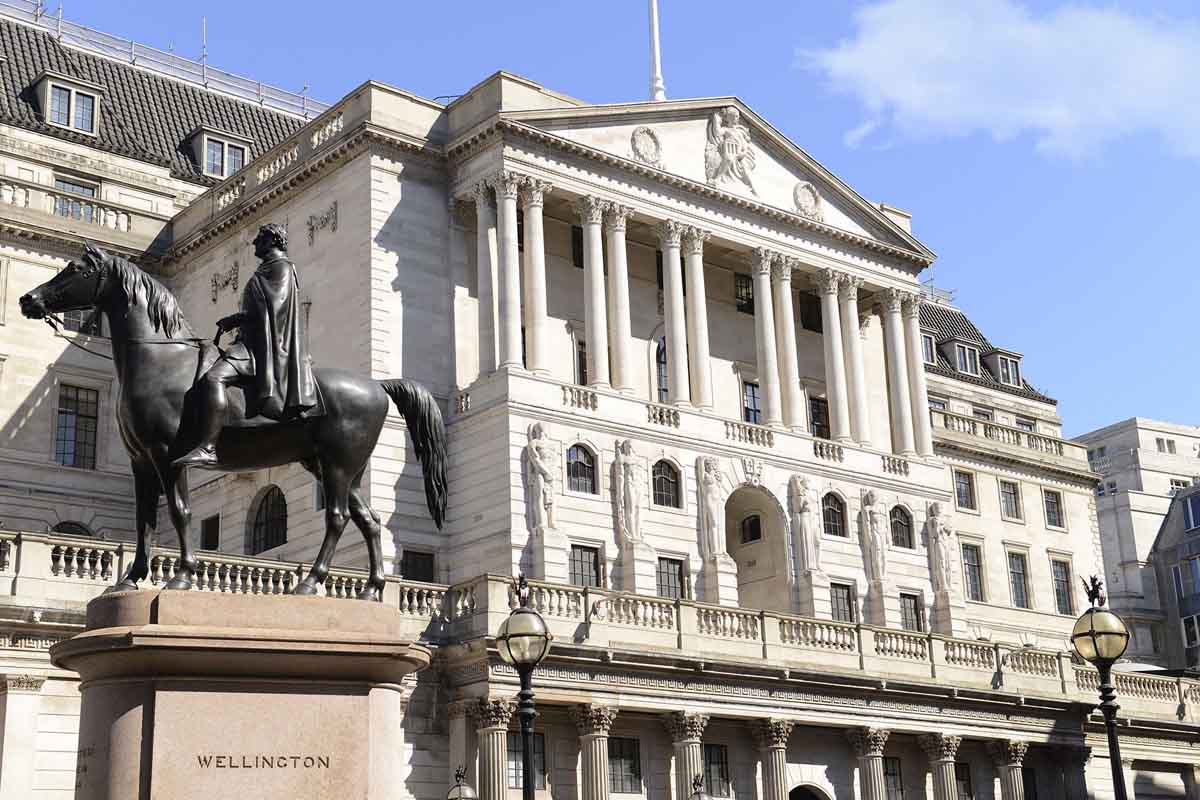
The Bank of England has cut its base interest rate from 4.25% to 4% on Thursday, signaling a shift in monetary policy as inflation pressures begin to ease. This is the first rate cut since the tightening cycle began in late 2021, and the central bank emphasized a “gradual and careful” approach to further easing.
A Turn in the Monetary Tide
The rate cut comes amid slowing economic growth, lower energy prices, and signs that inflation is returning closer to the 2% target. In its statement, the Monetary Policy Committee (MPC) cited improvements in the inflation outlook and easing wage pressures, supporting a move toward more accommodative policy.
“We are entering a phase where the risks to inflation are more balanced,” the Bank said. “We are committed to bringing inflation sustainably back to target while supporting the economy.”
Impact on Borrowers and Savers
This reduction in interest rates will likely bring relief to mortgage holders and businesses, who have faced rising borrowing costs for the past two years. Homeowners on variable-rate mortgages can expect lower monthly repayments, while new borrowers may see slightly improved lending terms.
However, savers may see reduced returns on fixed-term deposit accounts and ISAs, prompting a search for better yields in alternative investments.
Market Reaction
The pound dipped slightly against the US dollar following the announcement, as investors recalibrated their expectations for future rate decisions. The FTSE 100 index saw modest gains, with banking and real estate sectors leading the uptick.
Economists now expect the Bank of England to continue reducing rates through late 2025, albeit cautiously, as it monitors global conditions and domestic demand.
Looking Ahead
While Thursday’s decision marks a pivotal moment, the Bank stressed that policy remains data-dependent. If inflation proves sticky or if growth picks up too strongly, the MPC could pause or even reverse course.
Analysts predict that further cuts could follow in November or early 2026, provided inflation continues to trend downward and the labor market remains stable.
📌 Key Takeaways
- Rate cut: 4.25% ➝ 4%
- Reason: Lower inflation and economic slowdown
- Winners: Mortgage holders, businesses
- Losers: Savers, fixed-income investors
- Outlook: More cuts likely, but gradual
🔚 Conclusion
The Bank of England’s decision to reduce interest rates to 4% marks a cautious pivot in monetary policy after years of tightening. While the move offers welcome relief for borrowers and businesses, it also reflects the delicate balancing act the central bank faces—supporting economic growth without reigniting inflation. As the Bank signals a “gradual and careful” path ahead, all eyes will remain on inflation data, labor market conditions, and global economic headwinds to determine the pace and scale of future cuts.

Reporter