In a defining moment for the future of money, President Donald J. Trump has officially signed the Digital Asset Innovation and Financial Freedom Act — the first comprehensive federal law regulating cryptocurrencies — into U.S. law.
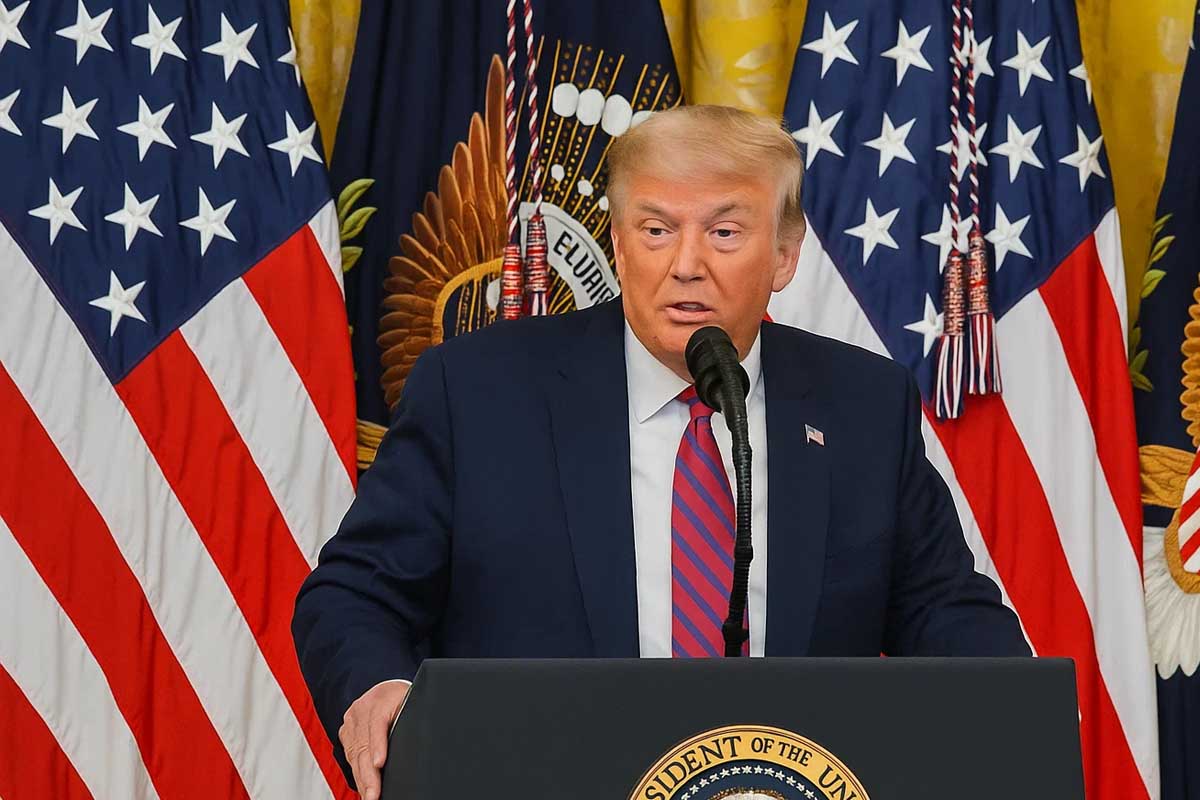
Speaking at the White House ceremony, Trump emphasized the importance of the bill with a signature quip:
“This is not an autopen, by the way. I signed this myself — this is personal.”
The law marks a transformative shift in how digital assets are treated at the national level, establishing regulatory clarity, investor protections, and economic incentives to keep blockchain innovation rooted in the United States.
🏛️ What’s Inside the New Federal Crypto Law?
The bill includes six major pillars of reform and innovation:
- Legal Definitions of Digital Assets
- Digital currencies are now officially categorized as “digital commodities,” “digital securities,” or “digital payment tokens,” depending on their structure and use.
- Federal Oversight Framework
- The CFTC will regulate most digital commodities (e.g. Bitcoin, Ethereum), while the SEC will oversee digital securities (e.g. tokenized equity).
- A new Digital Asset Oversight Office (DAOO) will coordinate across agencies.
- Crypto in Retirement Accounts
- Americans can now allocate up to 20% of their 401(k) or IRA portfolios into approved digital assets, including Bitcoin, Ethereum, and U.S.-regulated stablecoins.
- This unlocks over $9 trillion in retirement savings for crypto exposure.
- Clarity on Taxes
- No capital gains tax on crypto purchases under $600.
- Clear guidelines for staking, mining, and token swapping to avoid IRS confusion.
- AML and KYC Standards
- Exchanges and wallet providers must register with FinCEN, comply with KYC, and report suspicious transactions.
- Innovation Sandbox
- A five-year exemption window for U.S.-based blockchain startups to test and launch products with reduced regulatory burden, boosting early-stage innovation.
📈 Industry Response: Enthusiastic, Cautious, Ready
The crypto industry reacted with overwhelming positivity. Key players across finance and tech hailed the move as a game-changer for U.S. competitiveness:
- Coinbase CEO Brian Armstrong:
“The U.S. just became the best place in the world to build in Web3.” - Ripple Labs:
“After years of uncertainty, America now has a framework for growth.” - Bitcoin maximalists and DeFi leaders applauded the tax exemptions and retirement integration.
Meanwhile, some privacy advocates and decentralized groups raised concerns about surveillance risks in KYC/AML requirements, urging continued vigilance against overreach.
🇺🇸 Trump’s Crypto Pivot: From Critic to Champion
This bill represents a sharp shift in tone from Trump’s earlier views on crypto. In 2019, he said he was “not a fan of Bitcoin.” Now, Trump frames digital assets as a strategic financial and technological priority:
“We’re not going to let China, the EU, or Silicon Valley oligarchs dominate this space. America will lead the future of money — and we will do it with freedom, fairness, and strength.”
Insiders report that Trump sees crypto not just as a tech issue, but as a patriotic economic weapon to rebuild U.S. capital markets and counter centralized control.
🧠 What’s Next?
- Agencies have 90 days to publish full implementation guidance.
- Retirement funds could begin offering crypto allocations by Q4 2025.
- New public-private innovation centers will launch in Miami, Austin, and New York, supported by federal funding.
📊 Market Impact
Within minutes of the announcement, Bitcoin surged over $122,000, while Ethereum jumped past $7,000. Market analysts expect continued bullish momentum as institutional capital — particularly from pension funds — flows in under the new legal protections.
📝 Final Word
This law is not just a win for crypto investors, but a blueprint for digital financial sovereignty. It empowers Americans to invest, build, and lead in a new financial frontier with confidence.
As Trump concluded:
“We just signed freedom for the future of money.”

Reporter