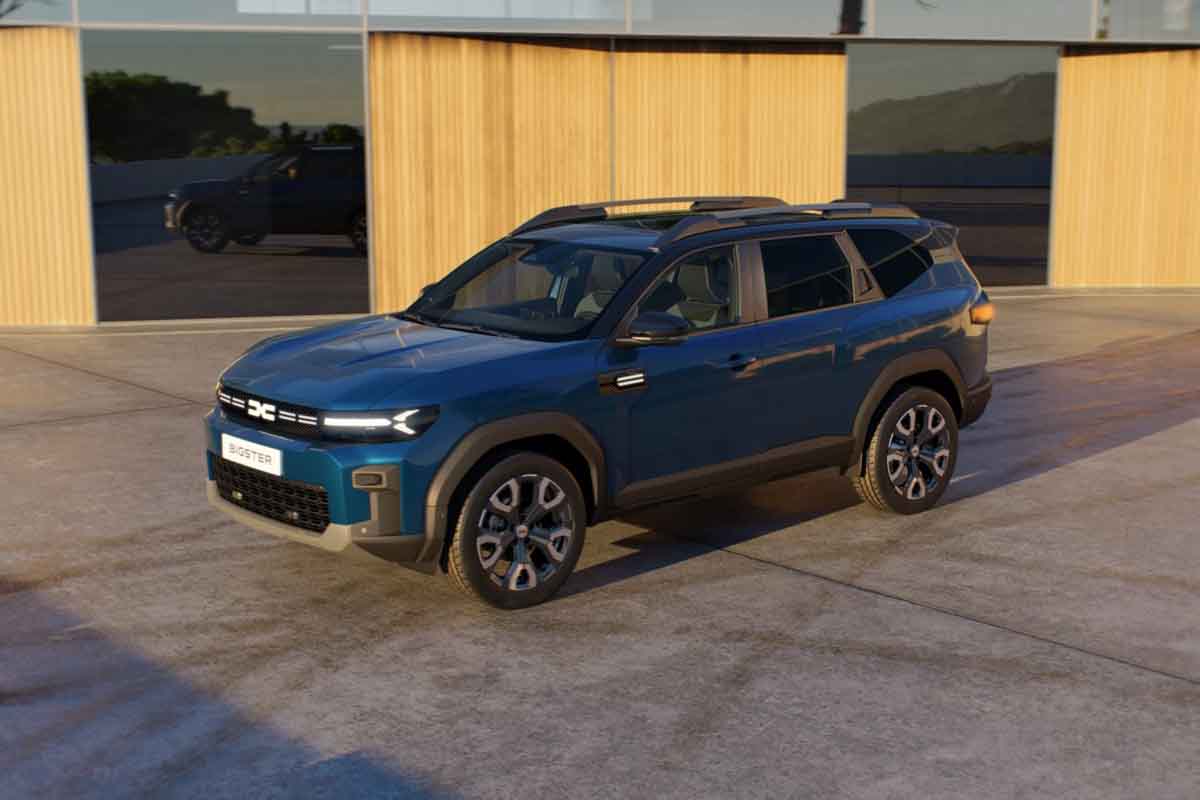
The Lada Iskra is the latest addition to Russia’s automotive landscape, representing AvtoVAZ’s ambitious move into the modern era. Developed as a successor to the long-serving Lada Granta, the Iskra is not just a redesign—it’s a completely new vehicle designed to meet the evolving demands of drivers in Russia and abroad. The Iskra is more than a car; it’s a symbol of transformation for one of the country’s most iconic automotive brands.
A Fresh Design for a New Generation
The Lada Iskra is built on the Global Modular Platform (GMP), which underpins several models from the Renault-Nissan alliance. This platform allows for scalability, which means the Iskra can accommodate different body styles, such as sedan, hatchback, and potentially a crossover SUV variant. The design is clean and functional, with sharp lines, LED lighting, and modern touches that move away from the more utilitarian look of older Ladas.
The Iskra also features increased ground clearance and a reinforced suspension system, making it ideal for Russian roads and rougher terrain in export markets. It’s a vehicle designed not just for city driving, but for the diverse and often unpredictable road conditions of Eastern Europe and Asia.
Efficiency and Affordability
One of the key selling points of the Lada Iskra is its fuel efficiency and cost-effectiveness. The base models are expected to come with naturally aspirated engines ranging from 1.0 to 1.6 liters, while turbocharged and alternative fuel versions (including compressed natural gas (CNG) and even a possible electric variant) are under development.
This positions the Iskra as a smart choice for budget-conscious drivers who still want a dependable and modern driving experience. With rising fuel prices and economic uncertainty in many markets, a car like the Iskra is expected to attract wide interest, especially in countries with developing infrastructure.
Tech and Safety Features
Despite its low price point, the Iskra doesn’t skimp on tech. The car will offer a digital instrument cluster, touchscreen infotainment system with Android Auto and Apple CarPlay, rear-view camera, cruise control, and multiple airbags as part of its top trims. AvtoVAZ is also working to integrate driver assistance features, such as emergency braking and lane departure warning, to bring it closer to global safety standards.
Production and Global Ambitions
AvtoVAZ has committed to high production numbers for the Iskra, with initial manufacturing based at the Tolyatti plant, one of the largest car factories in Eastern Europe. The automaker plans to not only meet domestic demand but also aggressively export the model to CIS countries, Middle East, Africa, and even Latin America.
The compact segment is the most competitive in many of these markets, and the Iskra aims to strike a balance between durability, affordability, and modern features. By leveraging the GMP architecture and Renault-Nissan technical know-how, Lada hopes to boost its international credibility.
Why the Lada Iskra Matters
The Lada Iskra isn’t just another budget car—it’s a statement. It’s proof that Russian automotive engineering is evolving to compete on a global stage. Whether you’re a young driver buying your first car, a taxi fleet operator, or someone in need of a fuel-efficient daily vehicle, the Iskra delivers a compelling package.
It reflects a new direction for Lada: one that honors its roots while embracing the demands of a new generation of drivers. If priced competitively, the Iskra has the potential to become not just Russia’s bestseller, but a major player in the international entry-level car market.
Key Takeaways:
- ✅ Built on the Global Modular Platform (GMP)
- ✅ Comes in sedan, hatchback, and possibly SUV variants
- ✅ Offers CNG and electric drivetrain possibilities
- ✅ Aims for affordability and high fuel efficiency
- ✅ Designed for Russian roads and export markets

Reporter