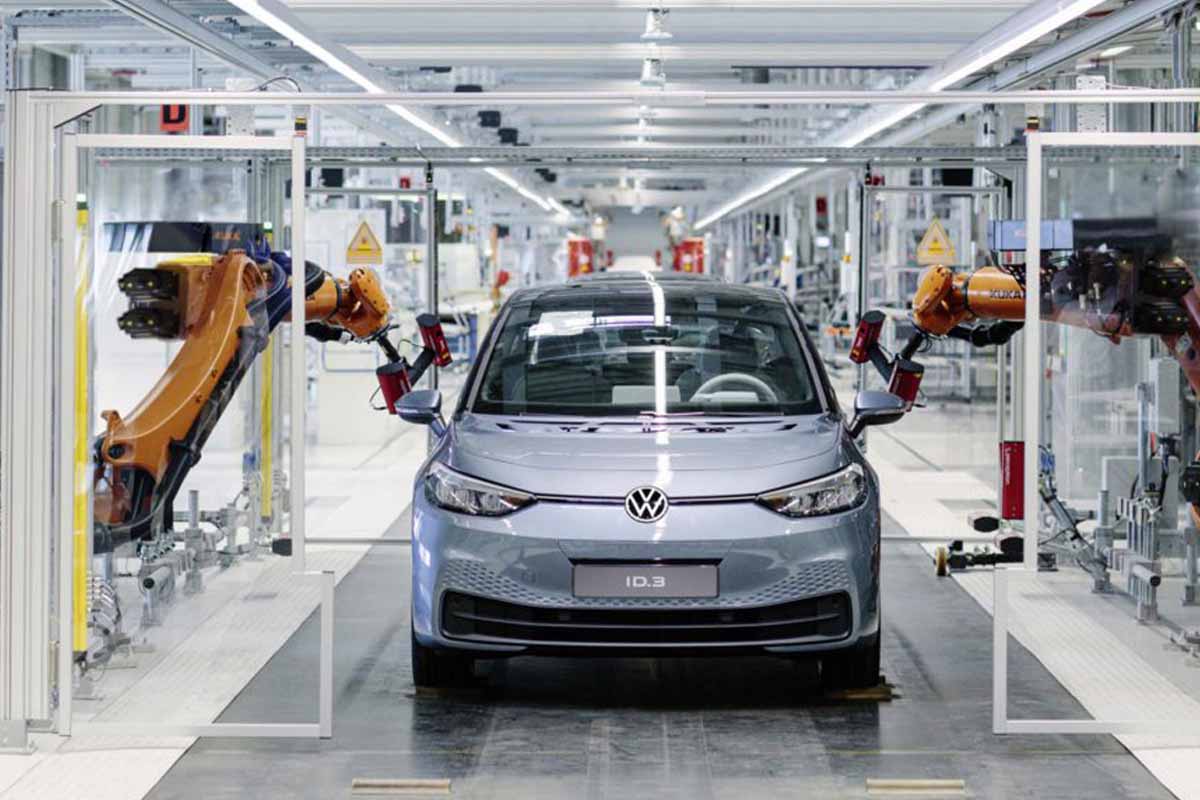
Volkswagen Group has announced plans to cut approximately 35,000 jobs in Germany by 2030, as the automaker faces growing pressure to reduce costs and restructure its operations to adapt to the electric vehicle (EV) era. The job reductions will primarily affect white- and blue-collar positions across VW’s German facilities and will be achieved through voluntary departures, early retirements, and contract buyouts—avoiding forced layoffs or factory closures.
The restructuring is part of Volkswagen’s broader cost-cutting strategy, targeting €15 billion in savings across the group. Labor cost savings alone are expected to contribute about €4 billion, significantly improving VW’s competitiveness as it shifts its product focus toward fully electric vehicles. This transition, although necessary to meet stringent EU emissions targets and global climate goals, has created overcapacity in several of VW’s German plants, especially as global demand for internal combustion engine vehicles continues to decline.
As of mid-2025, more than 20,000 VW employees in Germany have already agreed to voluntary departures under the group’s social pact agreement with labor unions. These exits will be spread across various production, administration, and technical roles at sites including Wolfsburg, Emden, Zwickau, and Hanover. Despite the scale of the reductions, VW has emphasized that no complete factory closures are planned—though production at certain sites like Dresden and Osnabrück will be scaled back or repurposed by 2027–2028.
Volkswagen’s decision comes at a time when the entire automotive industry is undergoing unprecedented transformation. The push toward electrification, digitalization, and software integration has forced legacy automakers to streamline outdated operations while investing heavily in new technologies. While VW has made notable strides with models like the ID.4 and ID. Buzz, slower-than-expected EV adoption and global economic headwinds have made it difficult to maintain current staffing levels in their existing form.
According to company executives, the restructuring is necessary to preserve Volkswagen’s long-term sustainability and its ability to compete with more agile EV-focused rivals such as Tesla, BYD, and Nio. The group is also focusing on expanding its regional production strategy to shield operations from global trade risks, including tariffs and rising logistical costs.
Volkswagen’s labor union IG Metall has backed the transition plan, noting that the agreement provides security for workers through voluntary measures, retraining opportunities, and extended severance packages. The restructuring will continue through 2030, with periodic reviews ensuring that both economic goals and employee protections are balanced.
As Europe’s largest carmaker, VW’s job cuts will have significant ripple effects throughout the automotive supply chain, especially in Germany. However, the company maintains that the reorganization is vital to achieving long-term profitability in an increasingly competitive and regulated industry landscape.

Reporter


